
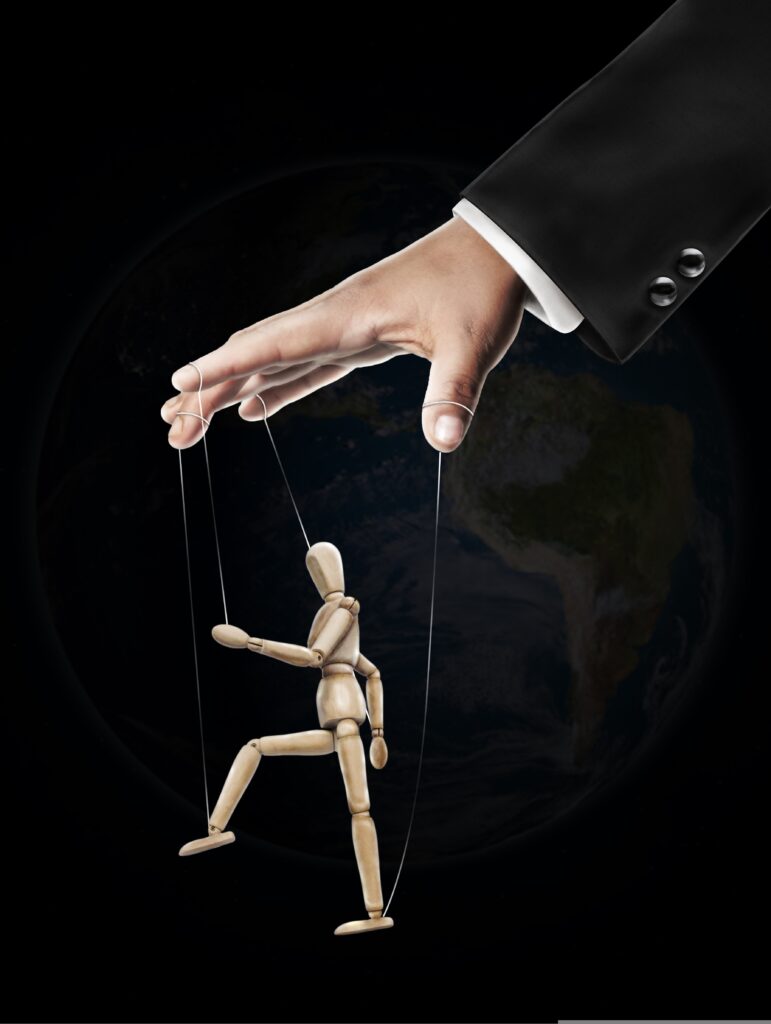
Have you ever caught yourself saying “Yes, of course I can do that” only to then realize actually you can’t? How often have you agreed to do things that only end up leaving you exhausted, stretched out, or quietly resentful?
I’m sure that the moment you read the word people-pleasing in the title you thought: “Oh, well shouldn’t I be pleasing the people I love?”.
That’s a question that many struggle with and, of course, who doesn’t want to make the people around them happy? So, when does caring for the people around us enter into the territory of the harmful habit of people-pleasing? And, an even bigger question: what exactly is people-pleasing?
What Does People-Pleasing Look Like:
On the surface, people-pleasing can sound harmless. It can look like generosity, kindness, and even being easygoing. However, beneath the kindness and the seemingly understanding attitude is a survival tactic.
At its core, people-pleasing is a learned strategy that has influenced us long before we even realized. It’s the instinct to:
In other words, if you find yourself saying yes even when you mean no, constantly on the look out for how everyone else is feeling, and feeling overly responsible for everybody, you may be a people-pleaser.
Behind-The-Scenes of People-Pleasing:
People-pleasing isn’t a fixed personality trait. As mentioned above, it is a strategy that has been learned over time through various experiences beginning from the earliest moments of our lives.
Pete Walker mentions people-pleasing as the fawn response in his book, Complex PTSD: From Surviving to Thriving (2013). As children grow up and are faced with trauma and conflict, they develop different responses to survive and protect themselves. Walker describes the fawn response as one of those survival methods borne out of the need to seek safety by attuning and adjusting oneself to the needs, demands and wishes of others.
People-pleasing develops in the face of repeated stress as a coping mechanism to ensure one’s own safety and to avoid dangerous conflict. It often grows from:
As time goes on so does the continuous need for the fawn response. Resulting in prioritizing other’s needs, opinions, and even happiness over your own.
While this coping mechanism can be effective, it still functions just like other survival strategies: useful, but only in the short term.
The Hidden Costs
People-pleasing often can feel like connection but, more often than not, it ends up becoming the exact opposite. It creates:
The hardest part is that, while trying to make everyone else happy, you end up forgetting the one person who matters most: yourself.
The good news is people-pleasing isn’t a personality trait set in stone. It’s a learned pattern that can be changed the more we challenge it.
Breaking the Cycle
Challenging our people-pleasing ways doesn’t mean being selfish but becoming self-honoring. A practice of respecting, valuing, and accepting yourself can look like:
People-pleasing isn’t a flaw but evidence of how deeply you’ve cared and how hard you’ve tried in moments that even trying felt impossible.
But you don’t have to live in those impossible moments forever.
You’re allowed to take up space. You’re allowed to have needs. You’re allowed to be loved without having to perform for it.
